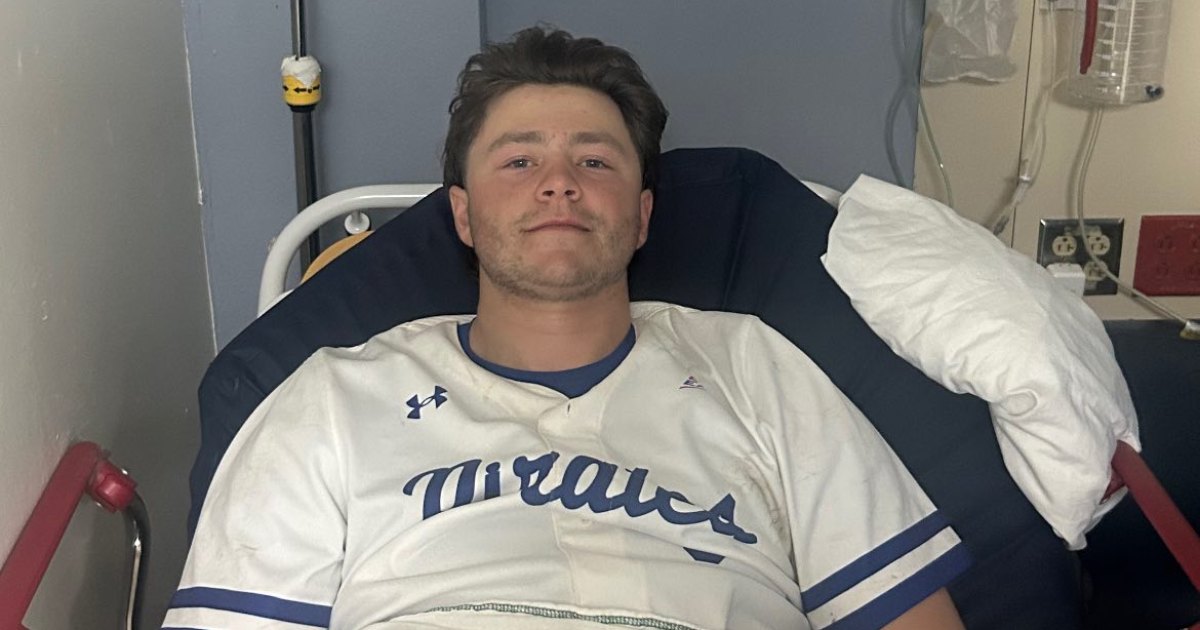
Justin Ford's Freak Ankle Injury: Expert Analysis & Recovery Road
The world of sports often delivers moments of unparalleled joy and triumphant celebration. Yet, it can also, in a cruel twist of fate, pivot from elation to agony in mere seconds. This stark reality became devastatingly clear for Seton Hall University baseball player Justin Ford during the season-opening Puerto Rico Challenge.
What began as a glorious moment – a two-run home run giving his team the lead – quickly transformed into a scene of widespread shock and concern as Ford suffered a grotesque ankle injury while rounding the bases. This incident not only sent shockwaves through the Seton Hall baseball community but also captivated a wider audience due to its unusual nature and the subsequent viral spread on social media. This article delves into the specifics of this Seton Hall Baseball Player's Gruesome Ankle Injury, offering expert analysis, examining the aftermath, and outlining the arduous recovery journey ahead for the promising young athlete.
The Unforgettable Moment: From Home Run Glory to Devastation
The date was February 13th, the setting, the Puerto Rico Challenge. It was the fifth inning, and Seton Hall junior left fielder Justin Ford had just blasted a two-run home run, propelling his team into the lead. The exhilaration was palpable. As Ford rounded first base, he turned towards his dugout, undoubtedly sharing a moment of triumph with his teammates, and in what appeared to be a celebratory hop, his ankle seemingly folded beneath him.
The scene instantly shifted from jubilant celebration to agonizing pain. Ford collapsed onto the field, writhing in obvious distress, his joyous achievement overshadowed by immediate tragedy. Medical personnel swiftly attended to him, and a pinch runner was brought in to complete the run, underscoring the severity of the situation. The incident was a stark reminder of how quickly fortunes can change in sports, turning a career highlight into a career-threatening Home Run to Heartbreak: Seton Hall's Justin Ford Injury After Blast.
A Deep Dive into the Injury: Expert Perspectives
The unusual mechanism of Justin Ford's injury quickly caught the attention of sports medicine professionals. Dr. Brian Sutterer, a renowned sports medicine doctor known for his detailed injury breakdowns, provided an illuminating analysis of the incident. Sutterer, who has previously commented on high-profile injuries like Olympic skier Lindsey Vonn's ACL tear, described Ford's ankle injury as "one of the most unusual sports injuries I've ever seen."
What made this particular Seton Hall Baseball Injury so perplexing, according to Sutterer, was its occurrence with "very, very low force and an atypical mechanism." Unlike injuries resulting from direct impact, collisions, or awkward landings after jumping, Ford's ankle appeared to buckle during a seemingly innocuous celebratory movement. Dr. Sutterer provided a frame-by-frame breakdown, drawing parallels to Kevin Ware's compound fracture suffered during March Madness in 2013 – another highly unusual and visually shocking injury. While the specific nature of Ford's injury (e.g., fracture, severe ligamentous tear) wasn't officially confirmed at the time of Sutterer's analysis, the severity was undeniable. His preliminary prediction pointed towards Ford likely being sidelined for the remainder of the season, a devastating blow to both the player and the Seton Hall baseball program.
Expert Insight: Such "low force" injuries, especially during what should be controlled movements like running bases, can sometimes indicate underlying biomechanical predispositions or a sudden, unpredictable shift in weight distribution that overstresses the joint beyond its normal range of motion. For athletes, strengthening not just major muscle groups but also smaller stabilizing muscles and improving proprioception (the body's awareness of its position in space) are crucial in preventing such freak accidents.
The Social Media Storm and Broadcast Blunders
Beyond the horrific nature of the injury itself, the incident gained significant traction online due to several fumbles by the Victory+ broadcast airing the game. Viewers quickly pointed out that announcers initially misidentified Ford, adding an initial layer of confusion. More critically, the broadcast team incorrectly stated that Ford would be ruled out and the runs wouldn't count if he didn't finish rounding the bases – a factual error, as an injured runner is legally allowed to be replaced. This misinformation, combined with the shock of the injury, fueled public discussion.
Adding insult to literal injury, the broadcast repeatedly showed slow-motion replays of Ford's ankle bending in ways it shouldn't. This decision drew widespread criticism on social media, with many users expressing disgust and concern for the athlete's privacy and dignity during such a vulnerable moment. Social media platforms were inundated with reactions ranging from genuine well-wishes for Justin Ford's recovery to pleas for broadcasters to cease showing the graphic replays. The incident sparked a wider debate about the ethics of sports broadcasting and the responsibility networks hold when airing traumatic events involving human suffering, especially when it involves young athletes.
- Broadcasting Ethics: The immediate decision to replay gruesome injuries in slow motion can be seen as prioritizing sensationalism over athlete welfare.
- Social Media Impact: While it allows for immediate community support, it also risks inadvertently amplifying traumatic content.
The Long Road Ahead: Recovery and Rehabilitation for an Athlete
A severe ankle injury like the one Justin Ford sustained typically involves a long and arduous recovery process. Depending on whether it's a fracture, a severe ligamentous tear, or a combination, the initial phases usually involve immobilization (casts, boots), pain management, and swelling reduction (R.I.C.E. protocol: Rest, Ice, Compression, Elevation). This foundational period is critical for initial healing and preventing further damage.
Following immobilization, the focus shifts to comprehensive physical therapy. This stage is multifaceted and progressive:
- Range of Motion: Gently restoring mobility to the ankle joint.
- Strength Training: Rebuilding muscle strength around the ankle and lower leg to provide stability.
- Balance and Proprioception: Crucial for athletes, this involves exercises to re-teach the brain and ankle how to communicate, improving balance and reaction time to prevent re-injury. Examples include single-leg stands, wobble board exercises, and agility drills.
- Sport-Specific Training: Gradually reintroducing movements required for baseball, such as running, cutting, jumping, and batting, ensuring the ankle can withstand the demands of the sport.
Beyond the physical, the mental toll of such a traumatic Seton Hall baseball injury cannot be overstated. Athletes often battle fear of re-injury, frustration with the slow pace of recovery, and the psychological impact of missing out on their sport. Access to sports psychologists and a strong support system are vital components of a holistic recovery plan. Ford, who had a strong senior year of high school baseball and showed promise in his freshman year at Seton Hall, will need immense resilience and dedication to navigate this challenging period and potentially return to the diamond stronger than ever.
Conclusion
Justin Ford's devastating Seton Hall baseball injury serves as a poignant reminder of the unpredictable nature of sports and the incredible resilience required of athletes. What started as a moment of pure triumph quickly turned into a significant personal challenge, captivating an audience not only with the shocking visuals but also with the discussions it sparked about broadcast ethics and the support systems for injured players. As Justin Ford embarks on his challenging recovery road, the entire Seton Hall community and baseball fans worldwide extend their well wishes. His journey back to full health will undoubtedly be a testament to his determination and the comprehensive care he receives, embodying the spirit of perseverance that defines sports even in its darkest moments.